You Don’t Need a Rebrand. You Need Everyone To Stop Tweaking Things.
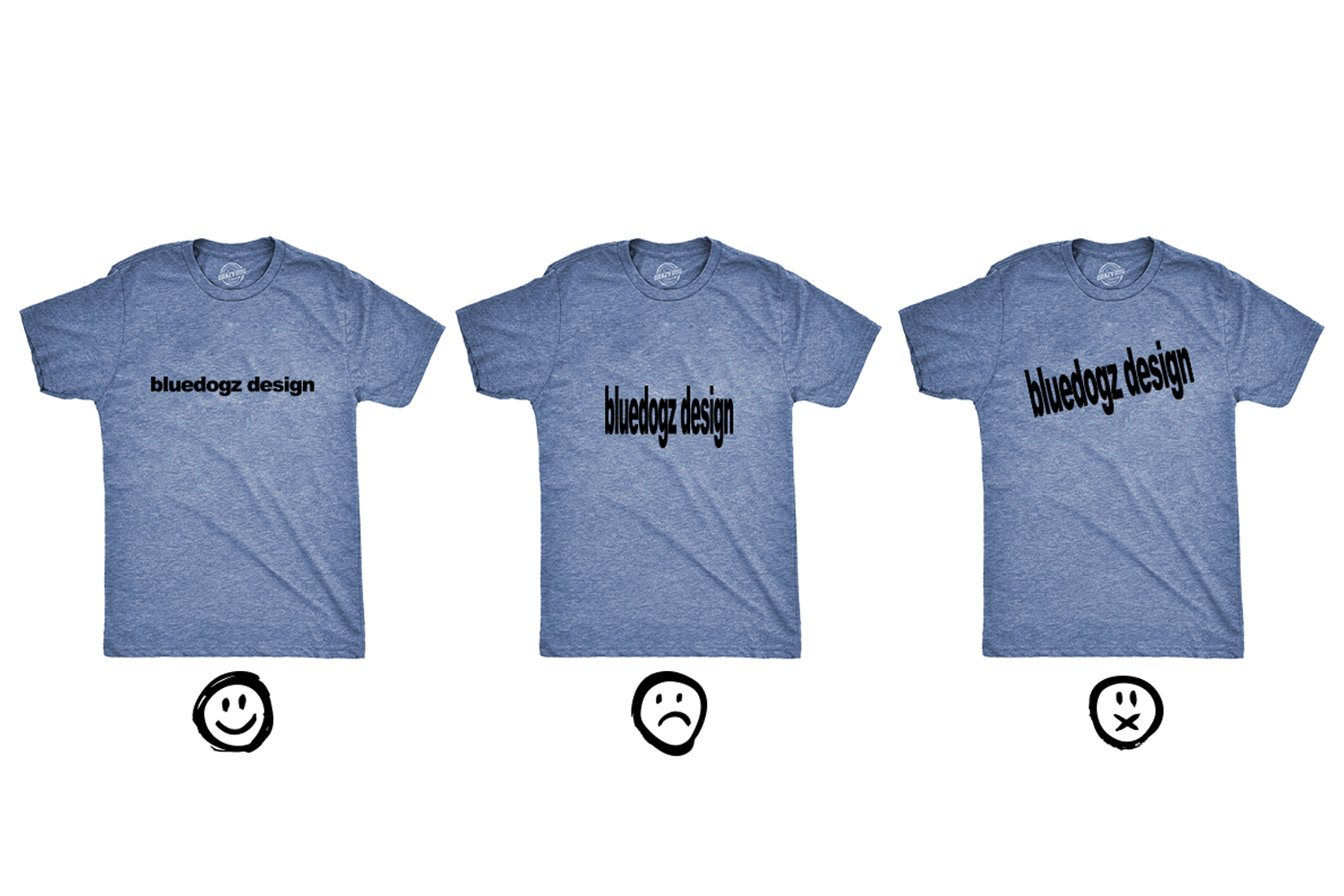
Most brands don’t collapse because of one giant mistake. They fall apart slowly. Quietly. One tiny “I just changed the blue a little” at a time. And if you don’t have an in-house designer watching things, this happens even faster. Someone stretches the logo. Someone swaps a font. Someone updates a template because they felt creative that morning. Suddenly nothing matches and the brand you paid for is nowhere to be seen.
That slow unraveling is brand drift. And it costs you trust, recognition, and yes, real money.
You invested in a brand. You paid for clarity. Strategy. Direction. Your customers should know exactly who they’re looking at. None of that works if your team treats the brand like an outfit they change depending on their mood.
The good news. You don’t need a full rebrand. You need discipline. Actual rules. Guardrails that keep the whole thing from turning into a free-for-all.
Let’s fix that.
Rule 1. Learn What’s Off Limits
A brand guide is not a pretty PDF to skim once and forget. It protects the work you paid for.
The most important section isn’t the colors or the fonts. It’s the “don’t you dare” section. No stretching the logo. No surprise color tweaks. No filters on brand photos. No random fonts you found at 1 am.
Clear space matters. Logo misuse matters. Consistency matters. You’re not being creative when you break these rules. You’re diluting your own brand.
Your guide exists to save you from yourself. Use it.
Rule 2. Appoint One Brand Steward
If everyone is in charge, no one is in charge. Someone on your team needs to be the final approver. This is the person who keeps the files clean, the templates consistent, and the chaos out.
If you don’t have an in-house designer, this role becomes even more important. A Brand Steward stops your brand from becoming a group project with twelve different visions.
Not precious. Just practical.
Rule 3. Your Brand Guide Is Also an Onboarding Tool
Your brand guide isn’t only for designers. It sets the tone for how your business communicates.
New hires need to read it. Your virtual assistant needs to read it. Anyone writing emails, posting on social, or touching anything public-facing should understand the voice and personality of the brand.
Bold and authentic doesn’t pair well with emails that read like an appliance manual. Your guide prevents that.
Rule 4. Audit Your Touchpoints Every Quarter
Consistency is not a one-and-done. You need a quick check every few months.
Look at your homepage.
Look at your email signature.
Look at your social headers.
Look at your packaging.
Look at your FAQ tone.
If something feels slightly off, it probably is. Fix it before customers notice.
Rule 5. Trust the Strategy, Not the Trend
Your brand isn’t a trend. It’s not supposed to chase whatever color or vibe is cool this week.
Before making any change, ask one simple question.
Does this support the original strategy or is it just scratching an itch?
Brands grow with intention. Not impulse.
Ready For Branding That Actually Works
Brand consistency isn’t glamorous, but it’s the thing that builds trust and keeps customers coming back. And if you’re a small business without an in-house design team, these guardrails are essential. They’re what keep your brand from quietly falling apart.
If you need help tightening things, cleaning up the chaos, or giving your team simple guide rails they can actually follow, I’m right here in Montreal building brands that hold together and actually work. Let’s talk.
